
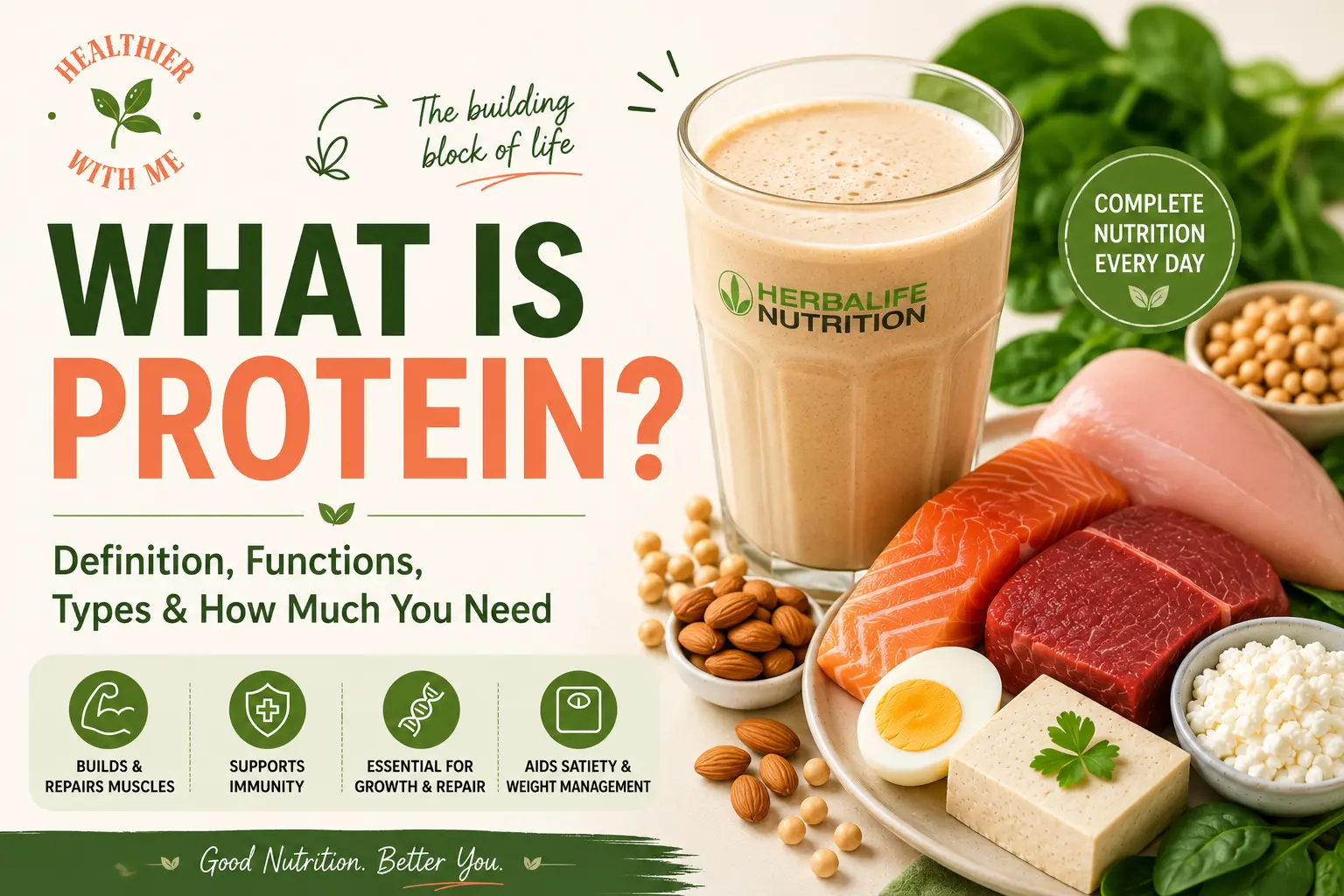
Protein is one of the three essential macronutrients your body needs to function properly. If you’ve ever wondered what is protein, the simple answer is that it’s a nutrient made up of amino acids
that helps build, repair, and maintain your body’s cells, tissues, muscles, skin, and organs. The average Indian consumes 62–63 g of protein per day, but nearly half comes from low-quality cereal sources like rice and wheat. At the same time, over 60% of daily calories come from carbohydrates.
But what is protein beyond building muscle? Protein plays a vital role in producing enzymes, hormones, antibodies, and other substances your body relies on every day.
From supporting your immune system to helping you recover after exercise, protein is involved in nearly every biological process.
Understanding what is protein is the first step towards making informed nutrition choices. In this comprehensive guide, you’ll discover what proteins are made of, how amino acids
form proteins, the different levels of protein structure, the essential functions of protein in the body, how protein is produced, daily protein requirements, the best food sources, health benefits, potential deficiency and excess, and answers to some of the most common questions about protein.
What Is Protein? (Quick Definition)
What is protein? Protein is a naturally occurring biological molecule and one of the three essential macronutrients required by the human body. It is composed of long chains of amino acids linked together by peptide bonds.
The sequence and arrangement of these amino acids determine the structure and function of each protein.
In nutrition, protein refers to the dietary nutrient your body obtains from foods such as meat, fish, eggs, dairy products, legumes, nuts, and seeds.
Once consumed, dietary protein is broken down into amino acids, which the body uses to build thousands of different proteins needed for normal growth, maintenance, and cellular processes.
Protein vs “Proteins” Nutrition vs Biology
Although the terms protein and proteins are often used interchangeably, they have slightly different meanings depending on the context. In nutrition, protein refers to one of the three
essential macronutrients found in foods that the body needs for normal growth, maintenance, and repair. It is treated as a nutrient, much like carbohydrates and fats.
In biology, proteins refers to the vast group of individual molecules that perform specific functions within living organisms. Each protein has a unique amino acid sequence, three-dimensional
structure, and biological role. For example, haemoglobin carries oxygen in the blood, collagen provides structural support to connective tissues, insulin regulates blood glucose levels, and keratin
forms the main structural component of hair and nails. Collectively, these are all different proteins, even though they are made from the same basic building blocks.
| Nutrition | Biology |
| Protein is a nutrient obtained from food. | Proteins are individual biological molecules that perform specific functions in the body. |
| Focuses on dietary intake and nutritional requirements. | Focuses on molecular structure, function, and biological activity. |
What Are Proteins Made Of?
Every protein is built from smaller chemical units that work together to form complex biological molecules. The type, number, and arrangement of these units determine the structure and properties of each protein.
Amino Acids Explained
Amino acids are organic compounds that serve as the basic building blocks of proteins. Every protein in the human body is made by linking amino acids together in different sequences.
Just as letters of the alphabet can be arranged to create countless words, amino acids can combine in various ways to form thousands of different proteins, each with a unique structure and function.
There are 20 standard amino acids that the human body uses to make proteins. Although they share a similar chemical structure, each amino acid has unique properties that influence how a protein folds and behaves.
This is why proteins can perform such a wide range of functions, from forming muscles and skin to acting as enzymes and hormones.
Every amino acid consists of four main parts:
- An amino group (-NH₂)
- A carboxyl group (-COOH)
- A hydrogen atom (H)
- A unique side chain (R group)
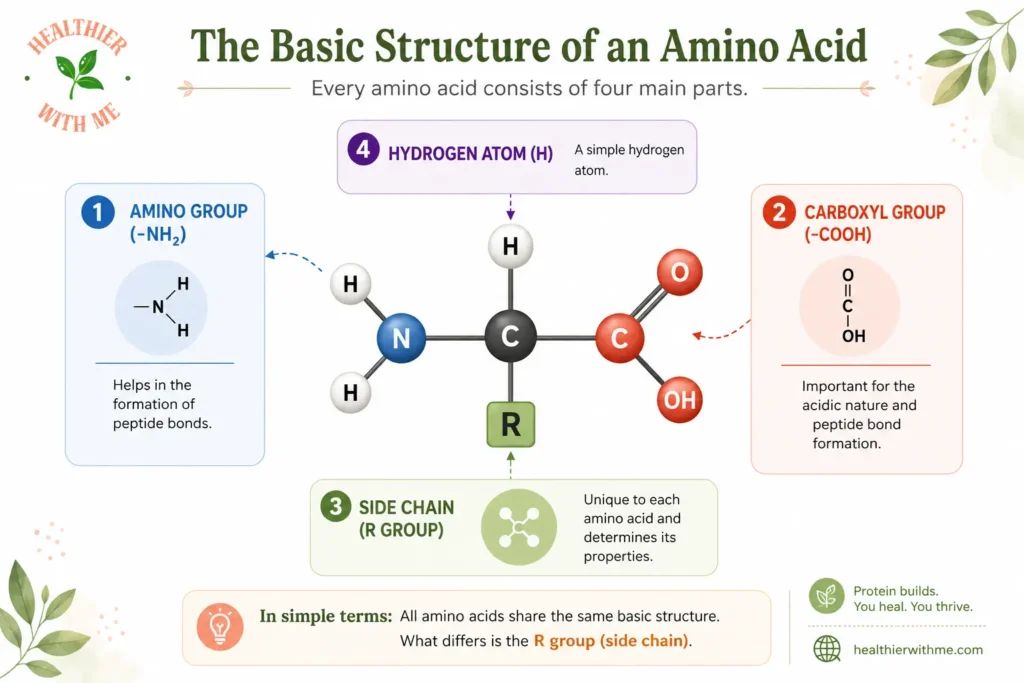
The R group is what makes one amino acid different from another. It determines the amino acid’s chemical properties, such as whether it is acidic, basic, hydrophobic (water-repelling), or hydrophilic (water-attracting). These properties influence how proteins fold into their final three-dimensional shape and how they function inside the body.
When you eat protein-rich foods, your digestive system breaks dietary proteins down into individual amino acids. These amino acids are then absorbed into the bloodstream and transported to cells throughout the body, where they are used to build new proteins or repair and maintain existing tissues.
Because amino acids are involved in forming every protein in the body, they are essential for normal growth, tissue maintenance, and countless biological processes. However, not all amino acids are obtained in the same way. Some must come from your diet, while others can be produced by the body—a distinction explained in the next section.
Essential vs Non-Essential Amino Acids
The 20 standard amino acids are classified into two main groups: essential amino acids and non-essential amino acids. The difference lies in whether your body can produce them on its own. While all amino acids are important for making proteins, some must be obtained through food, whereas others can be synthesised by the body.
| Essential Amino Acids | Non-Essential Amino Acids |
| Cannot be produced by the body in sufficient amounts. | Can be produced by the body when needed. |
| Must be obtained through your diet. | Do not need to come directly from food under normal conditions. |
| There are 9 essential amino acids for adults. | There are 11 non-essential amino acids. |
| Found in foods such as eggs, dairy products, fish, poultry, meat, soy, and quinoa. | Produced from other amino acids and nutrients available in the body. |
| Important for normal growth, tissue repair, muscle protein synthesis, and overall health. | Support many of the same body functions and help maintain normal physiological processes. |
The 9 essential amino acids are:
| Essential Amino Acid | Primary Role in the Body |
| Histidine | Supports growth, tissue repair, nerve health, and the production of histamine. |
| Isoleucine | Helps with muscle metabolism, energy production, and immune function. |
| Leucine | Stimulates muscle protein synthesis and aids muscle repair after exercise. |
| Lysine | Supports collagen formation, calcium absorption, and immune health. |
| Methionine | Helps produce important molecules, supports liver function, and contributes to healthy skin, hair, and nails. |
| Phenylalanine | Used to produce neurotransmitters that support brain function and mood. |
| Threonine | Contributes to healthy skin, teeth, connective tissues, and digestive health. |
| Tryptophan | Helps produce serotonin and melatonin, supporting mood and sleep. |
| Valine | Supports muscle growth, tissue repair, and energy production. |
The 11 non-essential amino acids are:
| Non-Essential Amino Acid | Primary Role in the Body |
| Alanine | Helps convert glucose into energy and supports muscle function. |
| Arginine* | Promotes wound healing, improves blood flow, and supports immune function. |
| Asparagine | Supports nervous system function and protein synthesis. |
| Aspartic acid | Plays a role in energy production and cellular metabolism. |
| Cysteine* | Helps produce antioxidants and supports healthy skin, hair, and nails. |
| Glutamic acid | Functions as an important neurotransmitter in the brain. |
| Glutamine* | Supports gut health, immune function, and muscle recovery. |
| Glycine* | Essential for collagen production and healthy joints, skin, and connective tissues. |
| Proline* | Helps maintain healthy cartilage, skin, and connective tissues by supporting collagen production. |
| Serine | Supports brain function, cell membranes, and the production of DNA and RNA. |
| Tyrosine* | Helps produce thyroid hormones, dopamine, and adrenaline. |
*These are considered conditionally essential in certain situations, such as illness, severe stress, injury, burns, surgery, or periods of rapid growth, when the body’s ability to produce them may not meet its increased needs.
How Amino Acids Form a Protein (Polypeptide Chains)
Proteins are formed when individual amino acids join together through chemical bonds called peptide bonds. Each time two amino acids connect, they create a small chain, and as more amino acids are added, the chain continues to grow. This long chain of linked amino acids is known as a polypeptide chain.
The order in which amino acids are arranged is determined by your genetic code (DNA). Even a small change in this sequence can produce a completely different protein with a different structure and function. Once the polypeptide chain is complete, it folds into a specific three-dimensional shape, allowing the protein to perform its unique role in the body.
Think of a polypeptide chain like a necklace made of different coloured beads. Each bead represents an amino acid, and the sequence of colours determines the necklace’s final design. Similarly, the sequence of amino acids determines the shape and function of every protein.
In the human body, one or more polypeptide chains can combine and fold into fully functional proteins. For example, haemoglobin, the protein responsible for carrying oxygen in red blood cells, is made up of four interconnected polypeptide chains that work together as a single functional protein.
Protein Structure
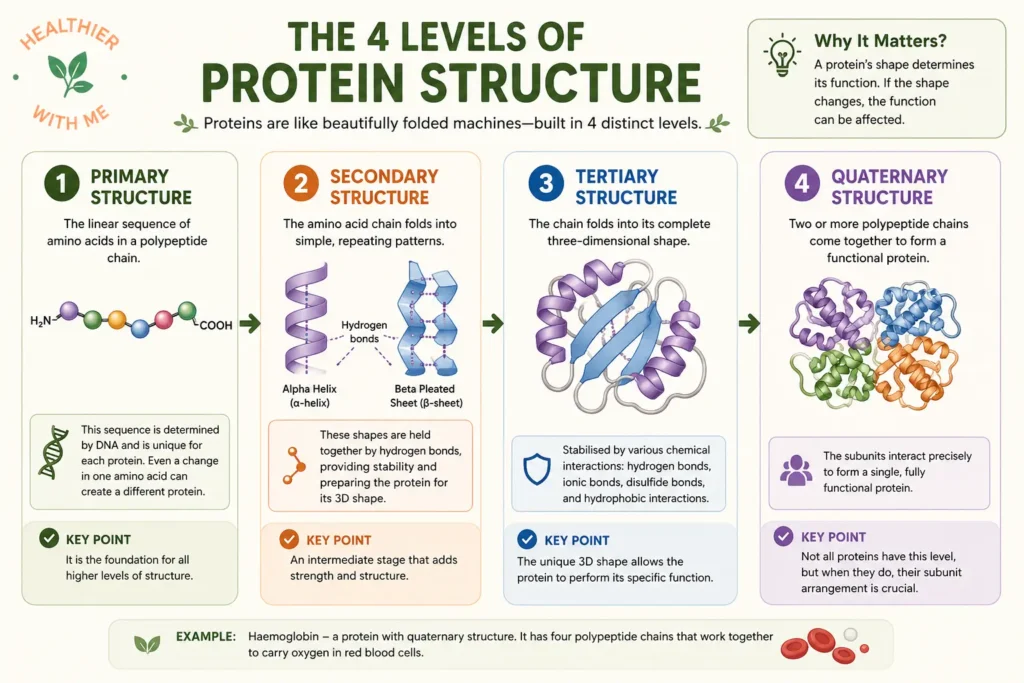
Protein structure refers to the unique arrangement of a protein’s amino acids, which determines its shape and stability. Scientists classify protein structure into four levels—primary, secondary, tertiary, and quaternary. Each level builds upon the previous one, helping proteins achieve the specific form needed to carry out different biological functions.
Primary Structure
- The primary structure of a protein is simply the order in which amino acids are arranged in a chain. Imagine writing a word using different letters—changing even one letter can create a completely different word. In the same way, changing the position of just one amino acid can alter the protein that is formed.
- This sequence is determined by your DNA and remains fixed for each protein. It serves as the foundation for the protein’s higher levels of structure, influencing how it folds and what role it eventually performs in the body. Without the correct primary structure, a protein cannot develop its proper shape or function.
Secondary Structure
- After the primary structure is formed, the chain of amino acids begins to fold into simple, repeating patterns. This stage is known as the secondary structure. The two most common shapes are the alpha helix (α-helix), which looks like a coiled spring, and the beta-pleated sheet (β-sheet), which resembles a folded sheet of paper.
- These shapes are held together by hydrogen bonds, which help stabilise the protein as it continues to fold. Although the secondary structure is only an intermediate stage, it plays an important role in giving proteins their strength and preparing them for their final three-dimensional shape.
Tertiary Structure
- The tertiary structure is the stage where a protein folds into its complete three-dimensional shape. As the alpha helices, beta sheets, and other parts of the protein interact with one another, the entire polypeptide chain folds into a compact structure. This unique shape is what allows each protein to perform its specific role.
- The tertiary structure is stabilised by different types of chemical interactions, including hydrogen bonds, ionic bonds, disulfide bonds, and hydrophobic interactions. If this three-dimensional shape is altered or damaged, the protein may lose its ability to function properly, which can affect normal biological processes.
Quaternary Structure
- The quaternary structure is the highest level of protein organisation and is found in proteins made up of two or more polypeptide chains. Instead of functioning on their own, these individual chains come together and interact to form a single, fully functional protein.
- Not all proteins have a quaternary structure, but those that do rely on the precise arrangement of their subunits to work correctly. A well-known example is haemoglobin, the oxygen-carrying protein in red blood cells, which consists of four polypeptide chains working together to transport oxygen throughout the body.
What Does Protein Do in the Body? (Functions)
Protein performs a wide variety of functions that are essential for life. Different proteins carry out different roles, from speeding up chemical reactions and supporting the immune system to transporting substances, providing structural support, enabling movement, and helping cells communicate. The following sections explain the major functions of proteins and how they contribute to the normal functioning of the human body.
Enzymes
Enzymes are specialised proteins that act as biological catalysts, meaning they speed up chemical reactions in the body without being used up in the process. They help carry out essential activities such as digesting food, producing energy, repairing cells, and building new molecules. Without enzymes, many of these reactions would occur too slowly to support life.
Each enzyme is designed to work with a specific substance, known as a substrate, making it highly precise and efficient. For example, amylase helps break down carbohydrates, lipase digests fats, and protease breaks down proteins into amino acids. By controlling these reactions, enzymes help the body function smoothly and maintain overall health.
Antibodies (Defense Proteins)
Antibodies are specialised proteins produced by the immune system to help protect the body against harmful substances such as bacteria, viruses, and toxins. They recognise these foreign invaders, known as antigens, and attach to them, making it easier for immune cells to destroy or remove them from the body.
Each antibody is designed to target a specific antigen, allowing the immune system to respond accurately to different infections. This targeted defence not only helps fight illness but also enables the body to develop immunity after recovering from certain infections or receiving vaccinations.
Hormones/Messenger Proteins
Some proteins function as hormones, acting as chemical messengers that help different parts of the body communicate with one another. They are released by glands into the bloodstream and travel to specific cells or organs, where they regulate important processes such as growth, metabolism, blood sugar levels, and reproduction.
A well-known example is insulin, a protein hormone produced by the pancreas that helps control blood glucose levels by allowing cells to absorb glucose from the bloodstream. Other protein hormones, such as growth hormone, support normal growth and tissue development. Together, these messenger proteins help coordinate and maintain many of the body’s essential functions.
Structural Proteins
Structural proteins provide strength, support, and shape to the body’s cells, tissues, and organs. They form the framework that helps maintain the structure of the skin, bones, muscles, tendons, ligaments, cartilage, hair, and nails, allowing the body to stay strong and function properly.
Some of the most important structural proteins include collagen, keratin, and elastin. Collagen is the body’s most abundant protein and gives strength to connective tissues, keratin forms the main structural component of hair, skin, and nails, while elastin allows tissues such as the skin, lungs, and blood vessels to stretch and return to their original shape.
Transport & Storage Proteins
Transport and storage proteins help move and store essential substances so they can be used where and when the body needs them. They carry nutrients, minerals, oxygen, and other molecules through the bloodstream or within cells, ensuring that different parts of the body receive the resources required to function properly.
One of the best-known transport proteins is haemoglobin, which carries oxygen from the lungs to tissues throughout the body. Ferritin, on the other hand, is a storage protein that stores iron and releases it when needed for important processes such as red blood cell production. Together, these proteins help maintain a steady supply of vital substances and support overall health.
Motor Proteins
Motor proteins are specialised proteins that generate movement within the body. They convert chemical energy into mechanical force, allowing muscles to contract and enabling cells to move, divide, and transport materials from one location to another.
Two of the most well-known motor proteins are actin and myosin, which work together to produce muscle contraction. Every movement you make—from walking and blinking to your heart beating and lungs expanding—depends on these proteins working in a coordinated manner. Beyond muscles, motor proteins also help transport important substances within cells, ensuring they function efficiently.
How Protein Is Made (Protein Synthesis)
The body continuously produces new proteins through a biological process known as protein synthesis. This process uses the genetic instructions stored in DNA to build proteins that are needed for growth, repair, and normal cellular functions. Protein synthesis takes place in two main stages—transcription and translation—which work together to convert genetic information into functional proteins.
Transcription
Transcription is the first step of protein synthesis, where the genetic instructions needed to make a protein are copied from DNA into a temporary molecule called messenger RNA (mRNA). This process takes place inside the cell’s nucleus, where the DNA is stored. Instead of leaving the nucleus, the DNA remains protected while its instructions are copied.
Think of transcription like copying a recipe from a cookbook onto a notepad. The cookbook (DNA) stays safely on the shelf, while the notepad (mRNA) carries the copied recipe to the kitchen, where the protein will be made. Once the mRNA copy is complete, it leaves the nucleus and travels to the ribosome for the next stage of protein synthesis, called translation.
Translation
Translation is the second step of protein synthesis, where the genetic instructions carried by messenger RNA (mRNA) are used to build a protein. This process takes place at the ribosome, which reads the mRNA code and joins the correct amino acids together in the proper order to form a polypeptide chain.
Think of the ribosome as a chef following a written recipe. The mRNA provides the instructions, while transfer RNA (tRNA) delivers the required amino acids one by one. As the ribosome links these amino acids together, a protein is gradually formed. Once the chain is complete, it folds into its final shape and becomes ready to perform its specific function in the body.
How Much Protein Do You Need Per Day?
There is no single amount of protein that is right for everyone. Your daily protein requirement varies depending on factors such as age, body weight, physical activity, and life stage. Understanding how much protein your body needs can help support overall health while reducing the risk of both deficiency and excessive intake.
Protein Needs by Age, Activity Level & Life Stage
Your daily protein requirement is influenced by several factors, including your age, body weight, physical activity, and overall health. While the recommended dietary allowance (RDA) for a healthy adult is 0.8 grams of protein per kilogram of body weight per day, some people may need more to support growth, pregnancy, exercise, or recovery from illness.
The table below provides general daily protein recommendations for different age groups and life stages. Individual needs may vary, so these values should be used as a general guide.
| Group | Recommended Protein Intake |
| Infants (0–6 months) | 1.52 g/kg/day |
| Infants (7–12 months) | 1.20 g/kg/day |
| Children (1–3 years) | 1.05 g/kg/day |
| Children (4–13 years) | 0.95 g/kg/day |
| Teenagers (14–18 years) | 0.85 g/kg/day |
| Healthy adults (19–64 years) | 0.8 g/kg/day |
| Older adults (65+ years)* | 1.0–1.2 g/kg/day |
| Pregnant women | About 1.1 g/kg/day (or an additional ~25 g/day during later pregnancy) |
| Breastfeeding women | About 1.3 g/kg/day |
| Endurance athletes | 1.2–1.4 g/kg/day |
| Strength or resistance athletes | 1.6–2.2 g/kg/day |
| People recovering from illness or surgery** | 1.2–2.0 g/kg/day (based on medical advice) |
*Older adults often benefit from a higher protein intake to help maintain muscle mass and strength as they age.
**Protein needs during illness or recovery vary depending on the condition and should be determined by a healthcare professional or registered dietitian.
Signs of Protein Deficiency
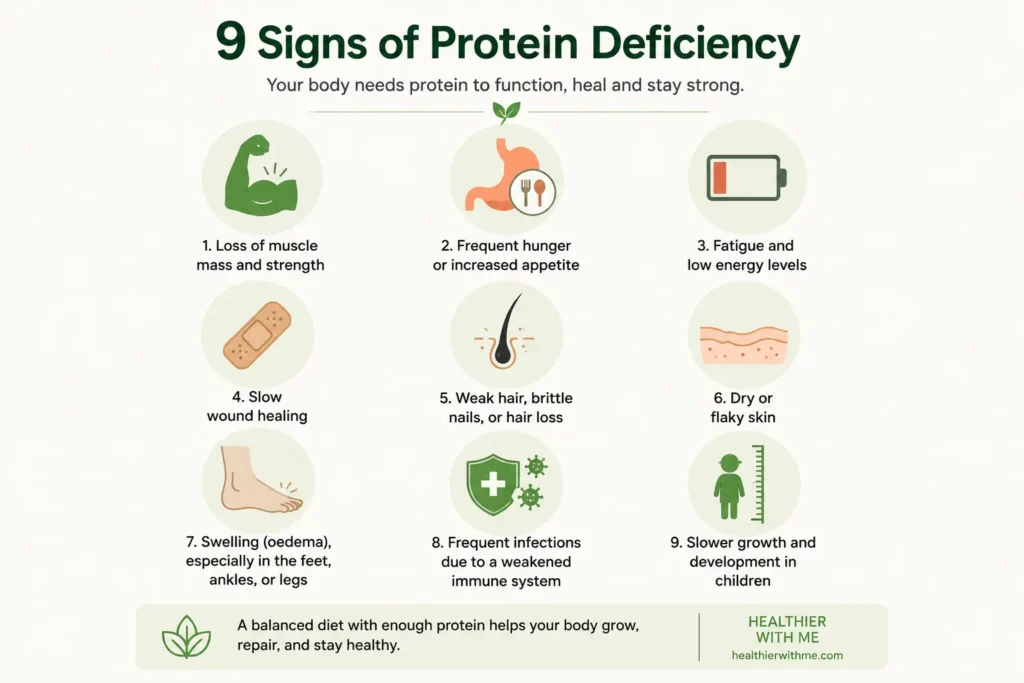
Protein deficiency occurs when the body does not get enough protein to meet its daily needs. While it is uncommon in people who eat a balanced diet, it can occur due to poor nutrition, certain medical conditions, eating disorders, or increased protein requirements during periods of growth, pregnancy, or illness.
Some common signs and symptoms of protein deficiency include:
- Loss of muscle mass and strength
- Frequent hunger or increased appetite
- Fatigue and low energy levels
- Slow wound healing
- Weak hair, brittle nails, or hair loss
- Dry or flaky skin
- Swelling (oedema), especially in the feet, ankles, or legs
- Frequent infections due to a weakened immune system
- Slower growth and development in children
Can You Eat Too Much Protein?
Yes, it is possible to consume too much protein, although healthy people can generally tolerate a high-protein diet without problems. Excess protein is not stored by the body in the same way as carbohydrates or fats. Instead, the body uses what it needs, and the excess is either converted into energy or stored as fat if overall calorie intake exceeds daily requirements.
Regularly consuming very high amounts of protein—especially from processed or high-fat sources—may contribute to digestive discomfort, dehydration, or unwanted weight gain if not balanced with adequate fibre, fluids, and other nutrients. People with existing kidney disease may also need to limit their protein intake, as damaged kidneys can have difficulty processing the waste products produced during protein metabolism. For most healthy adults, the key is to consume the right amount of protein as part of a balanced, varied diet rather than focusing on excess intake.
Best Sources of Protein
Protein is found in a wide variety of foods, making it possible to meet your daily protein needs through different dietary patterns. While some foods provide all the essential amino acids, others may need to be combined with complementary protein sources to create a balanced intake. Choosing a variety of protein-rich foods can also help you obtain other important nutrients such as vitamins, minerals, healthy fats, and fibre.
Animal-Based Protein Sources
Animal-based protein comes from foods obtained from animals and is considered a high-quality source of protein because it contains all nine essential amino acids in the right proportions. These foods are also rich in important nutrients such as vitamin B12, iron, zinc, and omega-3 fatty acids, making them a valuable part of a balanced diet.
Some of the best animal-based protein sources include:
| Food | Protein (per 100 g) |
| Chicken breast | ~31 g |
| Turkey breast | ~29 g |
| Lean beef | ~26 g |
| Fish (salmon) | ~22 g |
| Tuna | ~24 g |
| Eggs | ~13 g |
| Greek yoghurt | ~10 g |
| Cottage cheese (Paneer) | ~18 g |
| Milk | ~3.4 g |
| Cheese (Cheddar) | ~25 g |
Plant-Based Protein Sources
Plant-based protein comes from foods such as legumes, soy products, whole grains, nuts, and seeds. Although many plant foods are naturally lower in one or more essential amino acids, eating a varied diet throughout the day can provide all the amino acids your body needs. In addition to protein, these foods are rich in fibre, vitamins, minerals, and antioxidants that support overall health.
Some of the best plant-based protein sources include:
| Food | Protein (per 100 g) |
| Soybeans | ~36 g |
| Tempeh | ~20 g |
| Tofu | ~8 g |
| Edamame | ~11 g |
| Lentils (cooked) | ~9 g |
| Chickpeas (cooked) | ~9 g |
| Black beans (cooked) | ~9 g |
| Kidney beans (cooked) | ~8.5 g |
| Quinoa (cooked) | ~4.4 g |
| Oats | ~13 g |
| Chia seeds | ~17 g |
| Pumpkin seeds | ~30 g |
| Almonds | ~21 g |
| Peanuts | ~26 g |
Complete vs Incomplete Proteins
Complete proteins contain all nine essential amino acids in sufficient amounts for the body’s needs, whereas incomplete proteins lack one or more essential amino acids. Since the body cannot produce essential amino acids on its own, they must be obtained through the foods you eat.
| Complete Proteins | Incomplete Proteins |
| Contain all 9 essential amino acids | Lack one or more essential amino acids |
| Support growth, tissue repair, and normal body functions | Can still contribute to your daily protein intake |
| Mostly found in animal-based foods | Mostly found in plant-based foods |
| Examples: Eggs, fish, chicken, milk, yoghurt, soy, quinoa | Examples: Lentils, beans, peas, nuts, seeds, oats, rice |
What About Protein Powder?
Protein powder can be a convenient way to increase your daily protein intake, especially if you have higher protein needs or find it difficult to get enough from food alone. However, whole foods should remain your primary source of protein, as they also provide essential vitamins, minerals, and fibre.
If you’re looking for personalised nutrition guidance, Healthier With Me can help you choose the right protein option based on your lifestyle and goals. We also recommend Herbalife Formula 1 Nutritional Shake Mix as a convenient meal replacement when used as part of a balanced diet and healthy lifestyle, not as a substitute for wholesome meals.
Health Benefits of Protein
Getting enough protein is essential for maintaining overall health and supporting the body’s everyday functions. From building and repairing tissues to preserving muscle mass and promoting healthy ageing, protein contributes to many aspects of physical well-being. The specific health benefits of protein depend on factors such as your age, activity level, and overall nutritional intake.
Muscle Growth & Repair
Protein plays a vital role in building, maintaining, and repairing muscle tissue. During exercise, physical activity, or even everyday movement, tiny muscle fibres experience natural wear and tear. Protein provides the amino acids needed to repair these fibres, helping muscles recover, adapt, and become stronger over time.
Weight Management & Satiety
Protein can support weight management by helping you feel fuller for longer. Compared with carbohydrates and fats, protein has a greater effect on satiety—the feeling of fullness after eating. This may help reduce hunger, limit unnecessary snacking, and make it easier to manage your daily calorie intake.
Protein also helps preserve lean muscle mass during weight loss, especially when combined with regular exercise. Maintaining muscle is important because it supports strength, mobility, and a healthy metabolism. For sustainable weight management, include protein as part of balanced meals alongside whole grains, healthy fats, fruits, and vegetables.
Bone Health
Protein plays an important role in maintaining healthy bones by supporting the formation and repair of bone tissue. Around one-third of bone mass is made up of protein, which provides the structural framework that minerals such as calcium and phosphorus attach to, helping keep bones strong and resilient.
Getting enough protein, along with adequate calcium and vitamin D, supports normal bone health throughout life. Research suggests that a balanced protein intake, combined with regular weight-bearing exercise, may help maintain bone density and reduce the risk of age-related bone loss and fractures, particularly in older adults.
Healthy Aging (Sarcopenia Prevention)
As people age, they naturally begin to lose muscle mass and strength, a condition known as sarcopenia. This gradual loss can affect balance, mobility, and independence, making everyday activities more challenging. Getting enough protein becomes increasingly important with age to help slow this process and support healthy muscles.
When combined with regular strength or resistance exercise, adequate protein intake helps preserve lean muscle mass, maintain physical function, and support healthy ageing. Including protein-rich foods at each meal can help older adults meet their daily protein needs and reduce the risk of age-related muscle loss.
Protein Folding Disorders & Genetic Conditions (optional, adds medical depth)
For a protein to function correctly, it must fold into its proper three-dimensional shape. Sometimes, genetic mutations or other factors cause proteins to fold incorrectly, resulting in protein folding disorders. These abnormal proteins may lose their normal function or accumulate in cells, contributing to certain inherited and age-related diseases. Understanding protein folding highlights why a protein’s shape is just as important as its amino acid sequence.
FAQs About Protein
What is protein made up of?
Protein is made up of amino acids, which are linked together by peptide bonds to form long chains called polypeptides.
What is the main function of protein in the body?
The main function of protein is to build, repair, and maintain body tissues while supporting essential processes such as enzyme production, hormone regulation, immune defence, and nutrient transport.
How much protein does the average person need daily?
The average healthy adult needs 0.8 grams of protein per kilogram of body weight per day, although individual requirements vary based on age, activity level, and overall health.
What foods are high in protein?
High-protein foods include chicken, fish, eggs, dairy products, lentils, beans, soy, tofu, quinoa, nuts, and seeds.
What happens if you eat too much protein?
Eating too much protein may cause digestive discomfort, dehydration, or weight gain if overall calorie intake is excessive, while people with kidney disease may need to limit their protein intake under medical supervision.
What’s the difference between protein and proteins (dietary vs biological)?
Protein refers to the nutrient in food, while proteins are the individual biological molecules in the body that perform specific functions such as building tissues, transporting substances, and supporting immunity.
Is plant protein as good as animal protein?
Yes, plant protein can be as nutritious as animal protein when you eat a varied diet, although animal proteins are naturally complete, while some plant proteins may need to be combined to provide all nine essential amino acids.
What Is Fat? Definition, Types, Function & How Much You Need
For years, fat has been labelled as something to avoid, but dietary fat is actually an essential nutrient that supports…
What Are Carbohydrates
What are carbohydrates? They are one of the three essential macronutrients your body needs to produce energy and support everyday…
What Is Protein? Definition, Function, Types & How Much You Need
Protein is one of the three essential macronutrients your body needs to function properly. If you’ve ever wondered what is…

How To Use Chia Seeds For Weight Loss
Chia seeds for weight loss have become one of the most popular natural remedies for people looking to lose extra…