

The Minimalist Method: How to Lose Weight Without Workout or Starting a Strict Diet
Table of Contents
For decades, the weight loss narrative has been dominated by two towering, often intimidating figures: the rigorous workout and the restrictive strict diet. We’ve been led to believe that sustainable fat loss demands hours of sweat and a life devoid of all culinary pleasure. This demanding, all-or-nothing approach is precisely why most weight loss efforts fail. They create resentment, fuel burnout, and are fundamentally unsustainable for the majority of people leading busy, modern lives.
The truth, however, is far more subtle, sustainable, and entirely achievable. It is entirely possible to lose weight without workout routines.
Scientific literature is now clear: the secret to long-term weight management does not lie in extreme actions but in the cumulative power of small, almost effortless changes to your daily habits and environment. If you want to lose weight without workout, you must focus on Non-Exercise Activity Thermogenesis (NEAT)—the calories you burn doing everyday things—and weight loss without a “strict diet” means mastering behavioral nutrition—psychological and environmental tricks that reduce calorie intake without you feeling deprived.
This comprehensive guide breaks down the science of minimalist weight loss, offering a blueprint for shedding pounds by simply optimizing your lifestyle, environment, and mindset.
IF YOU WANT FULL AND FINAL SOLUTION YOU CAN GET IN TOUCH WITH US FOR FREE – TRY OUR FREE ONE TO ONE CALL NOW
Testimonial
Our Results
We know you need some thing to trust.

I have gained 22 kg of weight gain and improved my immunity with the help of this program. It only took 6 months to see this transformation.

thank you so much for your guide i was able to loss 12 kg fat loss in 3 months. I had never felt this lighter before.

Being a business owner i have very busy schedule which made me gain fat over period of time. once i started this program I lost 22 kg fat in 4 months.
Part I: The Power of NEAT – How to Lose Weight Without Workout Effortlessly
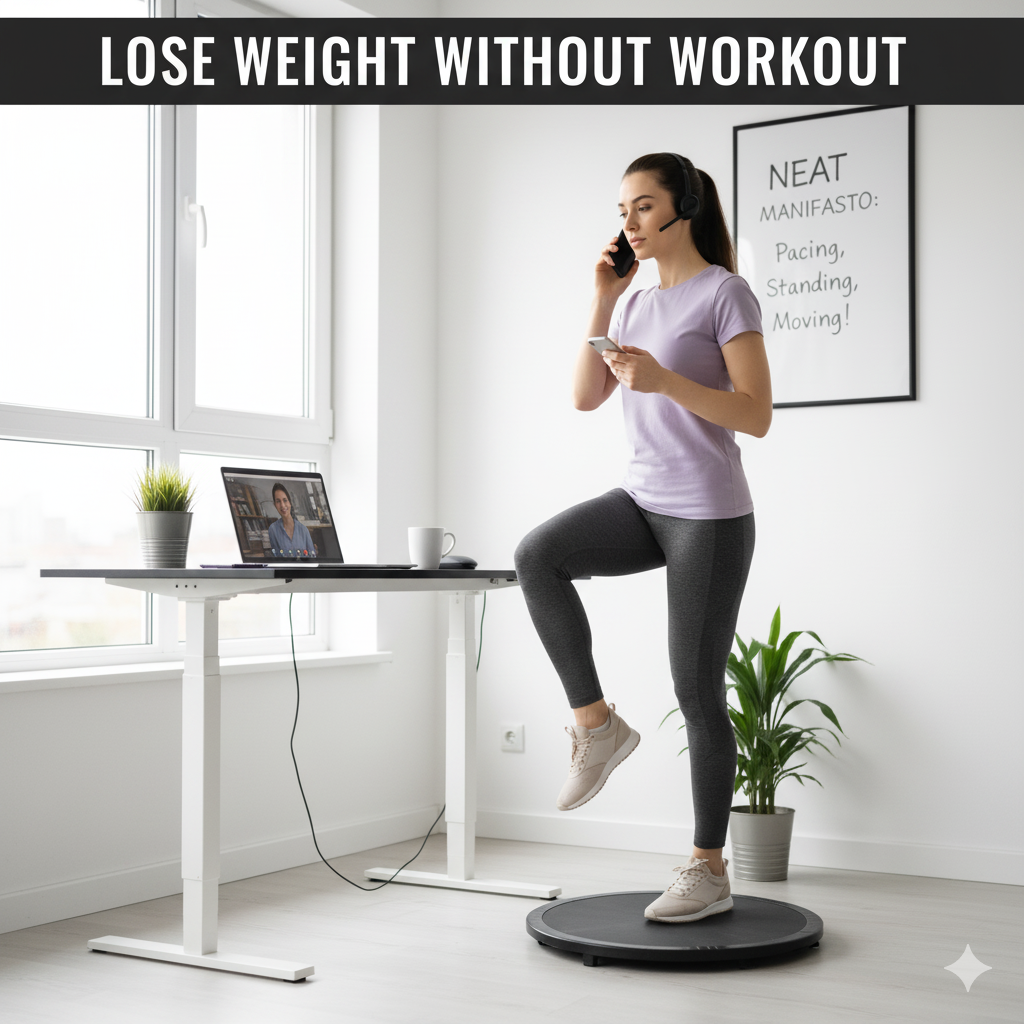
The biggest misconception about physical activity is that it must be a structured session in a gym. The human body burns calories 24 hours a day, and the largest variable component of daily energy expenditure is often not dedicated exercise, but something scientists call Non-Exercise Activity Thermogenesis (NEAT). This is your primary strategy to lose weight without workout intensity.
NEAT is the energy expended for everything we do that is not sleeping, eating, or dedicated sports-like exercise. This includes walking to your car, standing while taking a call, cooking, cleaning, fidgeting, and gardening. For some individuals, the difference in NEAT expenditure can be up to 2,000 calories per day compared to a sedentary person. This is how you can effectively lose weight without workout sessions.
The NEAT Manifesto: 5 Effortless Movement Hacks to Lose Weight Without Workout
1. The Pacing and Standing Rule

- The Stand-Up Workstation: Invest in an affordable standing desk converter or simply stack a few heavy books under your laptop. Aim to stand for at least 30 minutes of every hour of desk work. Standing burns approximately 30% more calories than sitting, a key strategy to lose weight without workout sweat.
- The Pacing Phone Call: Never take a phone call sitting down. Use all calls—personal or professional—as a mandatory pacing session. Pacing keeps your blood flowing, engages stabilizer muscles, and prevents the deep metabolic slump of sitting.
2. The Incidental Activity Multiplier
- Park Farther: When running errands or commuting, deliberately park in the farthest spot from the entrance. This adds dozens of extra steps per trip without feeling like a dedicated “walk.”
- Take the Long Route: Always use the stairs instead of the elevator or escalator. Walk an extra block to a more distant coffee shop or water fountain. These small detours become automatic, high-impact calorie burners over time, proving you can lose weight without workout dedication.
- Fidgeting is Your Friend: Fidgeting, such as tapping your foot, shifting your weight, or drumming your fingers, is a form of NEAT. Studies have shown that constant, low-level movement throughout the day can significantly increase overall daily energy expenditure.
3. The Power of “Habit Stacking”
- Waiting Movement: Every time you wait for your water to boil, your microwave to finish, or your computer to boot up, perform 10 squats, 10 calf raises, or just march in place.
- Commercial Break Cardio (Micro-Burst): During a 30-second TV commercial, stand up and do 30 seconds of high-intensity movement (jumping jacks, high knees, or simply dancing). This micro-burst of activity helps break up sedentary time and gives a minor metabolic boost, all while you work to lose weight without workout.
The take-away is simple: You don’t need a workout routine to lose weight; you need a lifestyle of continuous, low-level motion.
Part II: Behavioral Nutrition – The Diet Without “Dieting”
Eliminating a “strict diet” doesn’t mean eating whatever you want; it means deploying powerful, evidence-based psychological and environmental tricks to naturally reduce your calorie intake. The goal is to create a calorie deficit without relying on willpower, which is a finite resource. This component, combined with increased NEAT, provides a complete strategy to lose weight without workout.
5 Psychological and Environmental Hacks to Eat Less
1. The Mindful Eating Protocol
- Chew More: Aim for 20-30 chews per bite, or until the food is practically liquid. This slows the rate of consumption, giving the body’s fullness hormones time to reach the brain.
- The Fork-Down Rule: Place your fork or spoon down between every single bite. This forces a deliberate pause, preventing the automatic shoveling motion that leads to overconsumption.
- No Distractions: Never eat in front of a screen (TV, computer, phone). Distracted eating causes you to miss your body’s fullness signals and is one of the biggest drivers of mindless calorie intake.
2. The Dinnerware Illusion (Plate Size Trick)
- Shrink Your Plate: Use a smaller plate (the size of a salad plate) for your main meal. A large portion on a small plate looks massive, visually signaling to your brain that you are about to eat a lot. Conversely, the same portion on a large plate looks tiny, encouraging you to pile on more food.
- Visual Food Environment: The environment where you store and see food matters. Keep healthy snacks (like fruit or nuts) visible on the counter, and hide high-calorie, processed snacks in opaque containers in a hard-to-reach cupboard. Out of sight, out of mouth.
3. The Protein and Fiber Priority
- High-Protein Breakfast: Start your day with a protein-heavy meal (e.g., eggs, Greek yogurt, or a protein shake). Protein is the most satiating macronutrient, meaning it keeps you feeling full longer and drastically reduces the likelihood of midday cravings and snacking.
- The Fiber First Principle: Eat a salad or a small serving of fiber-rich vegetables (like broccoli or beans) before you touch your main meal. Fiber fills you up, slows down digestion, and reduces the total amount of the higher-calorie main course you are likely to consume.
4. Master the “Liquid vs. Solid” Calorie Trade-Off
- Water Pre-Load: Drink a large glass of water 20 minutes before every meal. This provides zero calories and fills your stomach, which cues satiety receptors and is proven to reduce mealtime calorie intake.
- Cut the Calorie-Containing Beverages: Switch all sugary drinks to water, plain tea, or black coffee. These simple switches can easily eliminate 300-500 hidden calories per day without any effort or feeling of deprivation.
5. The “Healthy Impulse” Stockpile
- Prep and Place: Spend 30 minutes once a week chopping up vegetables (carrots, bell peppers, celery) and keeping them visible and ready-to-eat in your fridge.
- The 5-Ingredient Rule: When grocery shopping, avoid buying any packaged food with more than five ingredients listed on the label. This simple rule dramatically reduces your intake of added sugars, refined oils, and excessive sodium.
Part III: The Metabolic Foundation – Sleep and Stress to Lose Weight Without Workout Struggles
Weight loss is not solely about calories in versus calories out; it is profoundly regulated by your hormones. Cortisol (the stress hormone) and the Ghrelin/Leptin axis (the hunger/satiety hormones) are the foundation of your metabolism, and they are directly governed by the quality of your sleep and your ability to manage stress. Ignore these, and even the most disciplined efforts to lose weight without workout will be sabotaged.
3 Hormonal Optimizations for Weight Loss
1. Prioritize Quality Sleep (The Ghrelin/Leptin Reset)
A single night of poor sleep (less than 7 hours) can wreak havoc on your appetite.
- Disrupted Hormones: Lack of sleep increases Ghrelin (the “hunger” hormone) and decreases Leptin (the “fullness” hormone). This is why you crave high-calorie, sugary foods the day after a late night—your body is trying to compensate for the lost energy.
- The 7-9 Hour Mandate: Aim for 7 to 9 hours of quality, uninterrupted sleep every night. Commit to a consistent bedtime and wake time, even on weekends. This consistent rhythm stabilizes the hormones that control your appetite, making it easier to lose weight without workout hunger pangs.
2. Master Stress (The Cortisol Manager)
Chronic stress leads to persistently high levels of the hormone cortisol. High cortisol is linked to increased fat storage, particularly in the abdominal area (visceral fat).
- Simple De-stressors: Implement a mandatory 15-minute daily “unplug” ritual. This could be slow, deep breathing (meditation), listening to calming music, or simply sitting in silence.
- Adaptogens and Rituals: Consider incorporating simple rituals like enjoying a cup of herbal tea in the evening. The goal is to signal to your nervous system that it is time to switch from “fight or flight” to “rest and digest.”
3. Optimize Hydration and Digestion
The simple act of being properly hydrated is critical for metabolic function.
- The Hydration Check: Keep a water bottle with you at all times. Mild dehydration is often misinterpreted by the brain as hunger, leading to unnecessary snacking.
- Gut Health: Pay attention to your digestive system. Consuming foods rich in probiotics (like yogurt, kefir, or fermented foods) and prebiotic fiber supports a healthy gut microbiome, which plays a role in regulating body weight and nutrient absorption.
Conclusion: The Sustainable Weight Loss Mindset
True, sustainable weight loss is about identity, not effort. Instead of asking, “What diet do I have to suffer through?” ask yourself, “What would a person who lives a healthy, active life naturally do?”
The secret to successfully losing weight without workout intensity and keeping it off lies in these small, consistent behavioral shifts:
- A healthy person doesn’t skip meals, they eat protein.
- A healthy person doesn’t spend hours in the gym, they move continuously throughout the day (NEAT). This is how they successfully lose weight without workout.
- A healthy person doesn’t white-knuckle their cravings, they manage their sleep and stress.
- A healthy person doesn’t eat mindlessly, they use small plates and put the fork down.
The Minimalist Method is a long-term lifestyle strategy. It doesn’t rely on unsustainable effort or deprivation. It relies on consistency, habit stacking, and leveraging the psychology of the human body. By prioritizing the small, daily non-negotiables of sleep, stress management, NEAT movement, and strategic eating, you will achieve lasting weight loss without ever needing to step foot in a gym or start a “strict diet.” Start small, stay consistent, and let the cumulative power of tiny changes transform your body and your life. You truly can lose weight without workout demands.
HERE IS THE SOUCE OF MY INFORMATION AND DATA COLLECTED TO MAKE THIS BLOG – https://pmc.ncbi.nlm.nih.gov/articles/PMC6058072/
[…] how to eat chia seeds for weight loss, the benefits of chia seeds, and the best methods to support fat loss naturally and maintain a healthy […]
[…] how to eat chia seeds for weight loss, the benefits of chia seeds, and the best methods to support fat loss naturally and maintain a healthy […]